











Выставочный комплекс «Новосибирск Экспоцентр»

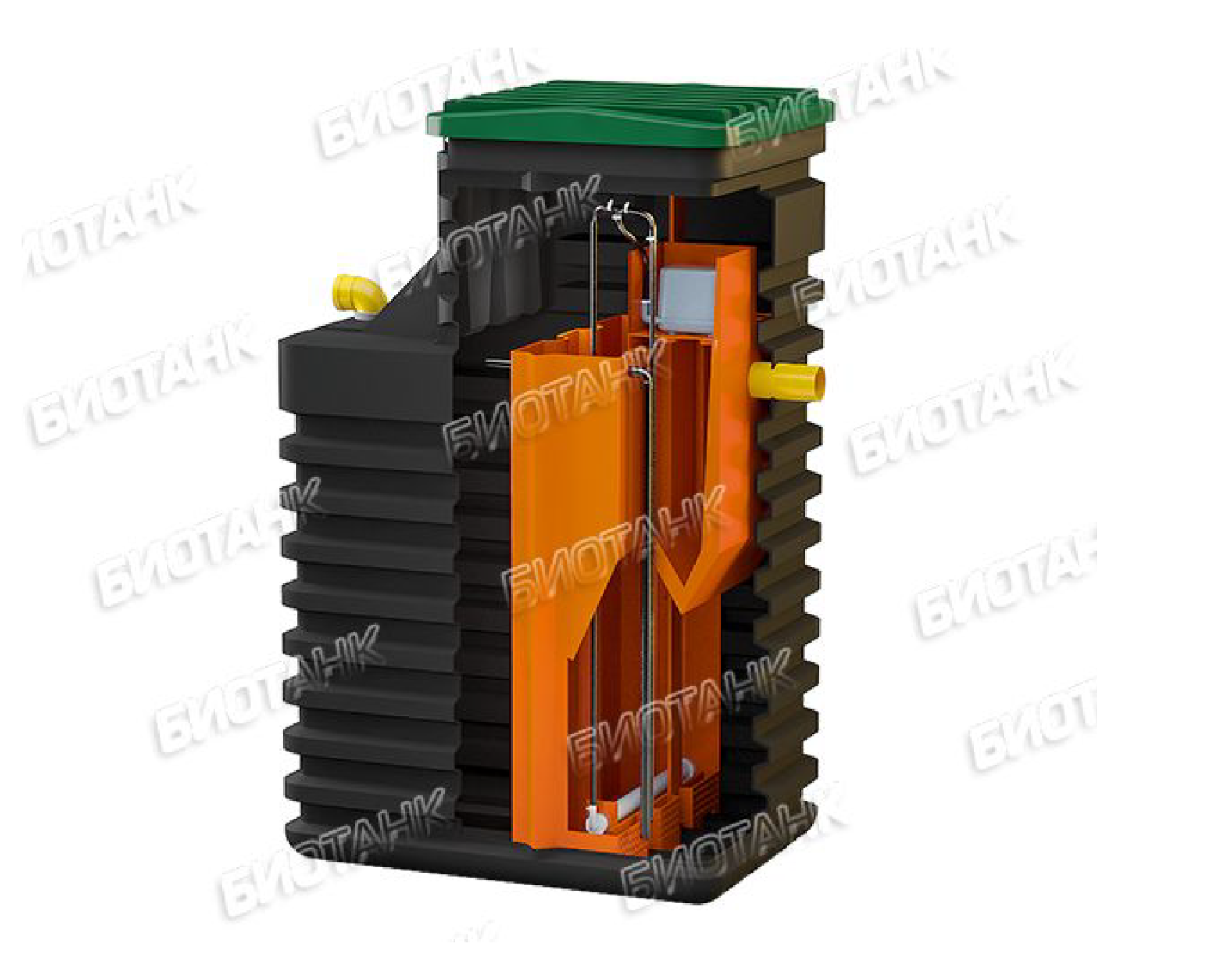
Экологически обоснованное решение
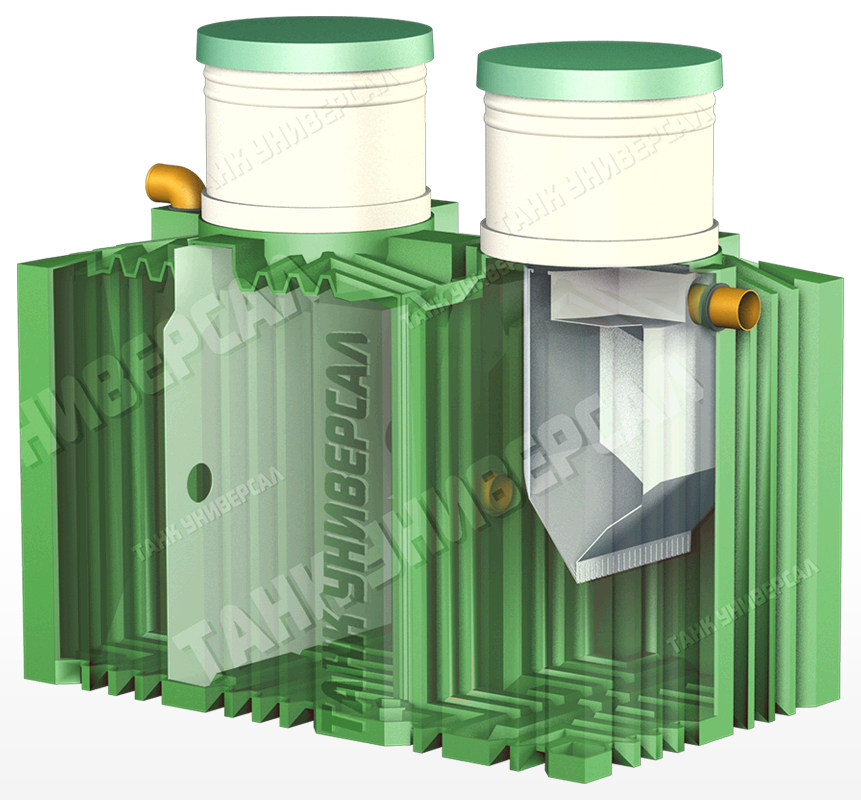
Только сейчас
цена 27 000 руб!



Types of knives that are worth investing in
Every serious cook and outdoor enthusiast knows not all knives are equal. The right blade transforms your culinary skills or survival preparedness in unexpected ways. Premium knives offer precision, durability, and outstanding performance.
Kitchen professionals and adventurers see quality knives as investments in skill and safety. The correct knife makes substantial differences in task execution and overall experience.
This guide explores knife categories designed for specific purposes. Understanding knife characteristics becomes crucial for gourmet meals, hunting, or everyday tasks. We'll examine various knife styles and highlight their unique strengths.
Our exploration covers kitchen essentials, outdoor survival tools, tactical options, and specialty blades. Discover which knives genuinely deliver value beyond marketing promises. Learn how strategic selection elevates both professional and personal knife experiences.
Transform your understanding of these critical cutting tools. You'll know exactly which types of knives deserve a place in your collection.
Why Quality Knives Matter for Every Kitchen and Outdoorsman
Investing in quality types of knives is more than a luxury. It's a practical decision that impacts performance and safety. Professional chefs and outdoor enthusiasts know that a superior knife transforms everyday tasks.
The difference between budget and premium knives shows in blade retention and craftsmanship. High-end kitchen knife sets feature precision-engineered blades that maintain sharpness longer. They provide unparalleled cutting control.
Carbon steel and advanced stainless steel materials ensure durability. These materials provide consistent performance across various cutting scenarios.
Sharp quality knives actually reduce injury risks. A well-crafted knife requires less force, minimizing hand fatigue. It provides more predictable cutting motions.
Professional-grade types of knives distribute weight perfectly. This allows smoother, more controlled movements. They work well in both kitchen and wilderness environments.
Premium knives might cost $100-$300, but they represent a long-term investment. With proper maintenance, these tools can last decades. They far outlast multiple cheap replacements.
Selecting the right knife transcends mere functionality. It reflects a commitment to craftsmanship and precision. Quality knives enhance skill and reliability across culinary and adventurous pursuits.
Chef Knives: The Foundation of Professional Cooking
Professional chefs know that great cooking starts with exceptional chef knives. These versatile tools form the cornerstone of culinary preparation. They transform raw ingredients into masterful dishes with precision and skill.
What Makes a Chef Knife Essential
A quality chef knife handles nearly 90% of kitchen tasks. From chopping vegetables to slicing meats, these knives deliver maximum efficiency. The typical chef knife features an 8-10 inch blade with a curved edge.
This curved design allows for smooth rocking motions during food preparation. Blade materials play a crucial role in performance. High-carbon stainless steel remains the gold standard for chef knives.
This material offers durability and rust resistance. Professional chefs often prefer Wüsthof Classic knives for their exceptional balance. These knives maintain their sharpness over time.
Premium Brands Worth the Investment
Brand reputation matters significantly in selecting chef knives. Wüsthof Classic represents top-tier quality in knife manufacturing. These German-engineered knives provide professional-grade performance with precision-forged blades.
Investing in a high-quality chef knife elevates your cooking experience. Prices range from $100 to $400, depending on craftsmanship and materials. A well-chosen knife becomes an extension of your hand.
Types of Knives Every Home Cook Should Own
Building a practical kitchen knife collection goes beyond purchasing a single chef's knife. Different types of knives serve unique purposes in home cooking. Kitchen knife sets can be helpful, but understanding individual knife functions allows more targeted investments.
Start with essential types of knives that cover most cooking needs. A paring knife (3-4 inches) becomes indispensable for precise tasks like peeling fruits and deveining shrimp. The utility knife (5-7 inches) bridges gaps between smaller and larger cutting requirements.
A serrated bread knife (8-10 inches) proves critical for slicing crusty breads without crushing their delicate interior. Professional chefs recommend this knife for handling tomatoes and delicate pastries with clean cuts. For meat enthusiasts, a boning knife with its narrow blade helps separate meat from bones efficiently.
Expanding your knife collection requires prioritizing quality over quantity. Invest in versatile, high-performance knives rather than purchasing comprehensive kitchen knife sets with rarely used tools. Focus on knives you'll use frequently, maintaining them with proper storage and regular honing.
Each knife type represents an investment in your culinary skills. Select pieces that match your cooking style. Gradually build a collection that transforms kitchen preparation into an enjoyable experience.
Santoku Knives: The Japanese Alternative to Traditional Chef Knives
Kitchen enthusiasts have discovered a remarkable culinary tool that transforms cooking experiences: Santoku knives. These Japanese-inspired blades have revolutionized home cooking with their unique design. They deliver exceptional performance for everyday tasks.
Understanding the Santoku Design
The term Santoku translates to "three virtues," reflecting its versatility in handling meat, fish, and vegetables. Santoku knives feature a distinctive profile with a shorter blade, typically 5-7 inches. They have a wider body compared to traditional Western chef's knives.
A key characteristic of Santoku knives is the granton edge, which features small dimples along the blade. These indentations create air pockets that prevent food from sticking during slicing. This makes them particularly effective for cutting soft or sticky ingredients like potatoes and cheese.
When to Choose Santoku Over Western-Style Knives
Santoku knives shine in precision vegetable work, offering exceptional control for home cooks. Their thinner blade and straighter profile excel at creating uniform, delicate slices.
Cooks with smaller hands often prefer Santoku knives for their lightweight and balanced design. Professional chefs recommend Santoku knives from brands like Shun, Global, and MAC. Prices typically range from $80 to $250, offering options for various budgets while ensuring superior performance.
Hunting Knives and Survival Knives for Outdoor Enthusiasts
Outdoor adventurers know reliable cutting tools are essential. Hunting knives and survival knives are two specialized blade categories. Each type serves a unique purpose in wilderness scenarios.
Hunting knives typically feature blade lengths between 3-5 inches. They're optimized for field dressing game and precise meat processing. Manufacturers like Buck Knives and Benchmade craft exceptional hunting knives with drop-point designs.
These designs provide maximum control during use. Stainless steel blades offer excellent corrosion resistance. This feature proves crucial when working with game in wet conditions.
Survival knives take a different approach, prioritizing durability and versatility. These robust tools often feature full-tang construction. Blade lengths typically range from 4-7 inches with partially serrated edges.
Brands such as KA-BAR and ESEE produce survival knives engineered for extreme environments. Additional features include fire-starting capabilities and emergency storage options. These tools handle multifunctional wilderness tasks effectively.
Consider your primary outdoor activities before choosing between knife types. Dedicated hunters might prefer specialized blade designs for processing game. Backpackers and wilderness explorers need more versatile tools for varied tasks.
Price ranges typically span $50-$300 for quality knives. Higher-end options offer superior materials and craftsmanship. Investment in quality ensures reliable performance during critical situations.
Proper maintenance remains crucial for both knife types. Regular cleaning and light oiling protect your blade from damage. Careful sharpening extends blade life and ensures peak performance outdoors.
Tactical Knives and Folding Knives for Everyday Carry
Modern professionals and outdoor enthusiasts know reliable personal tools matter. Tactical knives and folding knives are now essential companions. They offer versatility and preparedness in daily life.
Choosing the right knife means understanding different design philosophies. It also requires knowing practical applications. Tactical knives started with military and law enforcement needs.
These tools have evolved into sophisticated instruments. They serve multiple purposes beyond traditional expectations.
Fixed Blade vs Folding Knife Considerations
Fixed blade knives offer maximum durability with no moving parts. Full-tang construction provides unparalleled strength for demanding tasks. These knives excel in survival scenarios.
However, they struggle with discretion and urban carry requirements.
Folding knives represent the pinnacle of everyday carry flexibility. Compact designs feature advanced locking mechanisms for safe, convenient transportation. Modern tactical folding knives integrate innovative features like quick deployment.
Top Features in Modern Tactical Knives
Premium tactical knives stand out through exceptional materials and engineering. High-grade steel like S30V ensures remarkable edge retention. Handle materials such as G10 and titanium provide lightweight durability.
Serious knife enthusiasts prioritize specific features in their tools. These include ambidextrous pocket clips and reliable lock mechanisms. Blade geometry optimized for multiple tasks is also crucial.
Brands like Benchmade and Spyderco lead the market. They produce sophisticated folding knives that balance performance and portability.
Kitchen Knife Sets: Building Your Complete Collection
Selecting the right kitchen knife sets can transform your cooking experience. Chef knives are the cornerstone of any quality culinary toolkit. Understanding how to build your collection requires strategic planning.
Professional chefs often recommend carefully curating kitchen knife sets rather than buying prepackaged collections. *Not all sets are created equal*. Some include unnecessary pieces that rarely see use.
High-quality sets focus on essential tools that make cooking more efficient. A solid set typically includes a chef's knife, paring knife, utility knife, and bread knife.
Brands like Wüsthof, Zwilling, and Victorinox offer comprehensive solutions for home cooks and culinary enthusiasts.
Budget plays a crucial role in knife set selection. Entry-level sets around $200 provide excellent value, while premium collections can cost up to $700. The key is matching your cooking style with the right tools.
*Investing in versatile chef knives* that handle multiple tasks can save money and kitchen space.
Storage matters as much as the knives themselves. Magnetic strips, knife blocks, and drawer organizers each offer unique advantages. Select a storage solution that protects your blades and fits your kitchen's layout. https://domspiration.pl
Building the perfect knife collection is a personal journey. Research and test different options. Prioritize quality over quantity when selecting your kitchen knife sets.
Pocket Knives and Specialty Blades Worth Your Money
Pocket knives represent more than just cutting tools—they're versatile companions for everyday tasks. Traditional folding knives like the Stockman and Trapper models offer multi-functional designs. Case, Great Eastern Cutlery, and Victorinox craft reliable pocket knives with exceptional quality.
Specialty blades extend beyond standard pocket knives, serving unique purposes for enthusiasts. Anglers appreciate precision fillet knives from brands like Rapala. Culinary experts might invest in Japanese specialty knives such as the nakiri or yanagiba.
These targeted tools dramatically improve performance in specific contexts. They make valuable additions to any knife collection.
Collectors and practical users recognize that not all specialty blades require massive investments. Strategic selection involves assessing frequency of use, potential versatility, and genuine need. Utility knives from Milwaukee provide practical solutions for DIY projects.
Swiss Army knife models offer compact multi-functionality perfect for travelers and professionals. https://dombezkompromisow.pl/
Prioritize quality over quantity as you expand your knife collection. The most expensive folding knives aren't always the best choice. Select tools that match your specific requirements and feel comfortable in hand.
The right pocket knife becomes an extension of your daily toolkit.